
STRATEGY
- Feasibility
- Economic Impact Analysis
- Master Plan
- Destination Analysis
- Tourism Strategy
We develop action sports strategies for cities, tourism destinations, mountain centres and private investors — with consulting, master planning, project development and destination activation.
A properly planned investment, transforms a destination.
Action sports; It does not only create sports fields. When planned correctly, it spreads tourism over 365 days, revitalizes public life, brings young people together and adds long-term economic, social and cultural value to the region.
Every destination has its own potential. Uncovering this potential; It requires the right strategy, the right expertise and a long-term development vision.
A well-planned investment can shape the future of a destination for decades.
By revealing the action sports potential of cities, tourism destinations and mountain centers; We develop sustainable destinations that improve quality of life, strengthen tourism and generate long-term economic value.


From strategy to destination activation, with a single vision of development.
By bringing programming, education, community and operations together in the same strategy, we ensure that destinations not only open but survive year-round.
Real projects. Real transformation.
Projects inspired by the world's best practices and developed according to local needs.
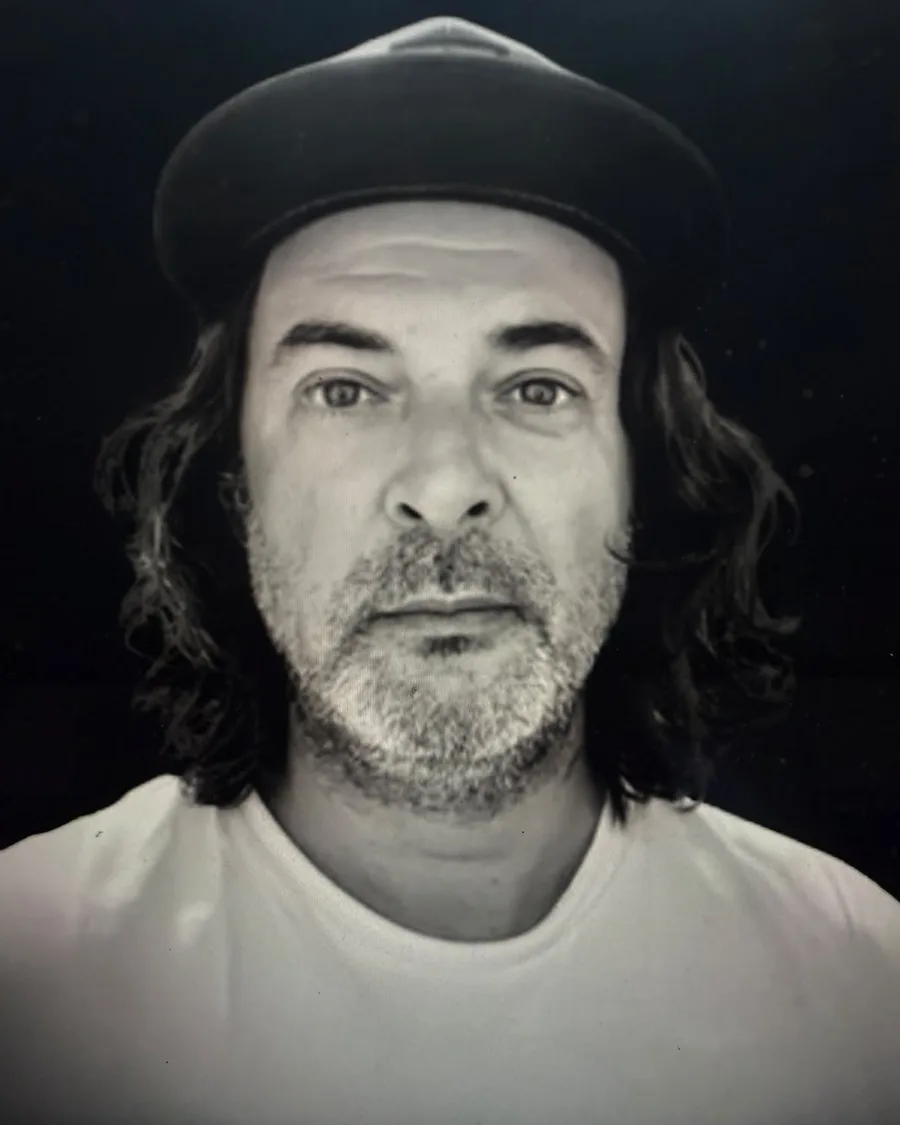
Action sports consultant with more than 20 years of experience studying leading destinations worldwide, working with international teams and helping develop Türkiye's first professional projects in this field.
World-class destinations create world-class athletes and communities.
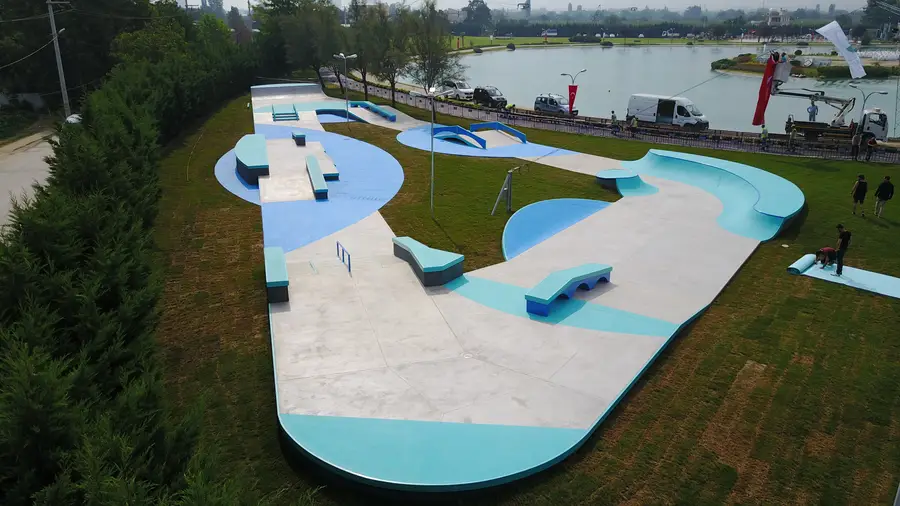
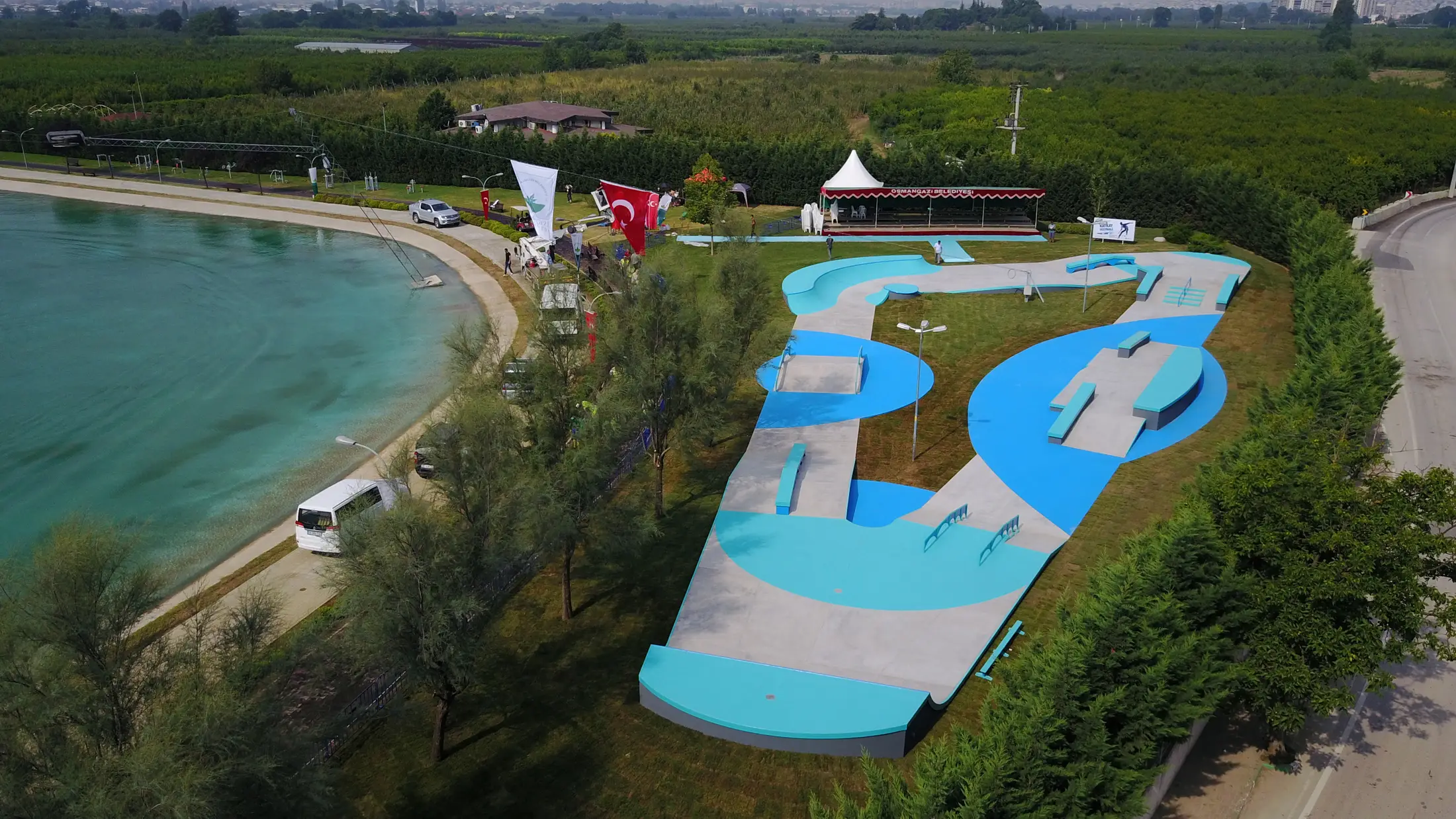
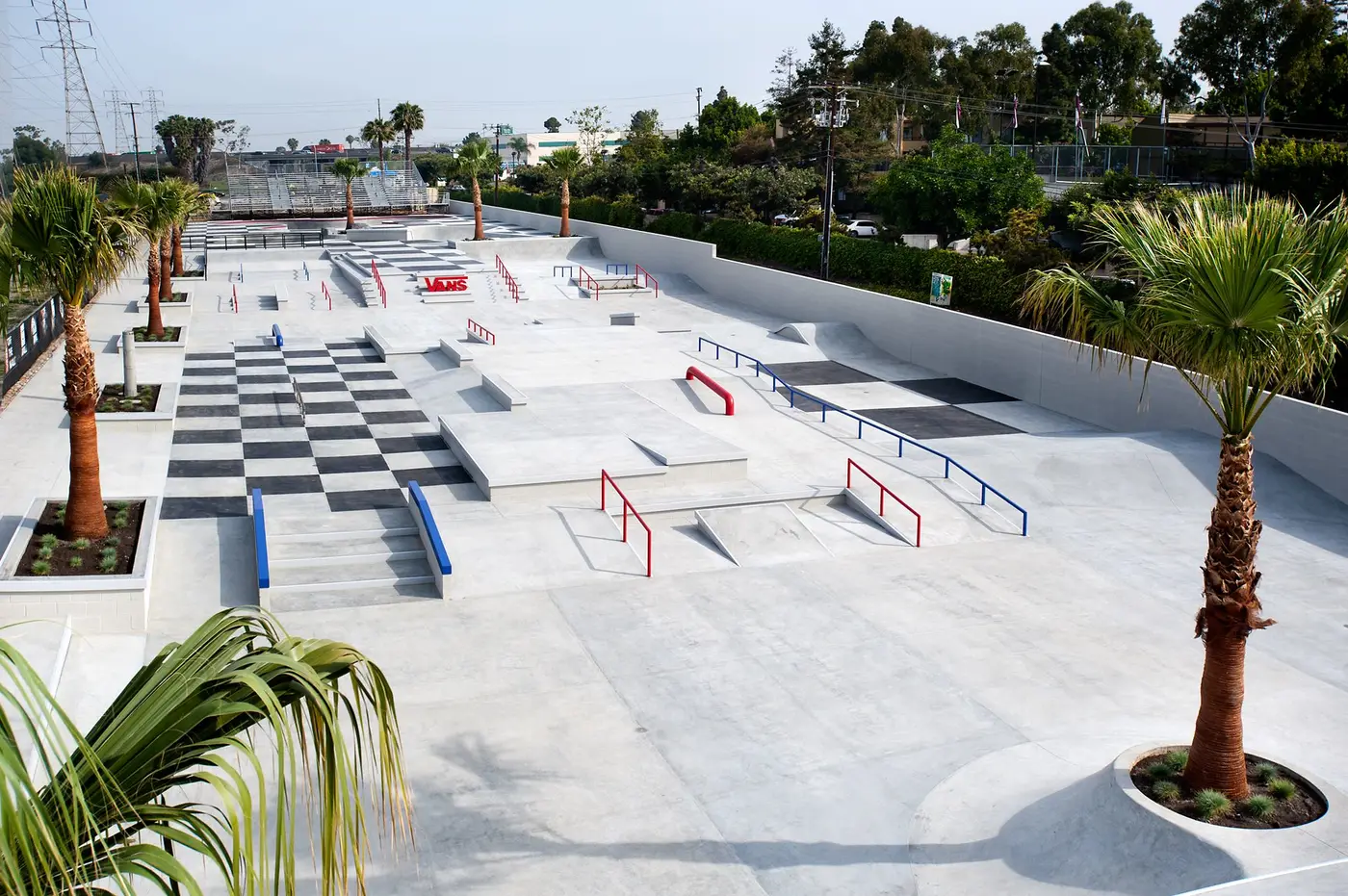
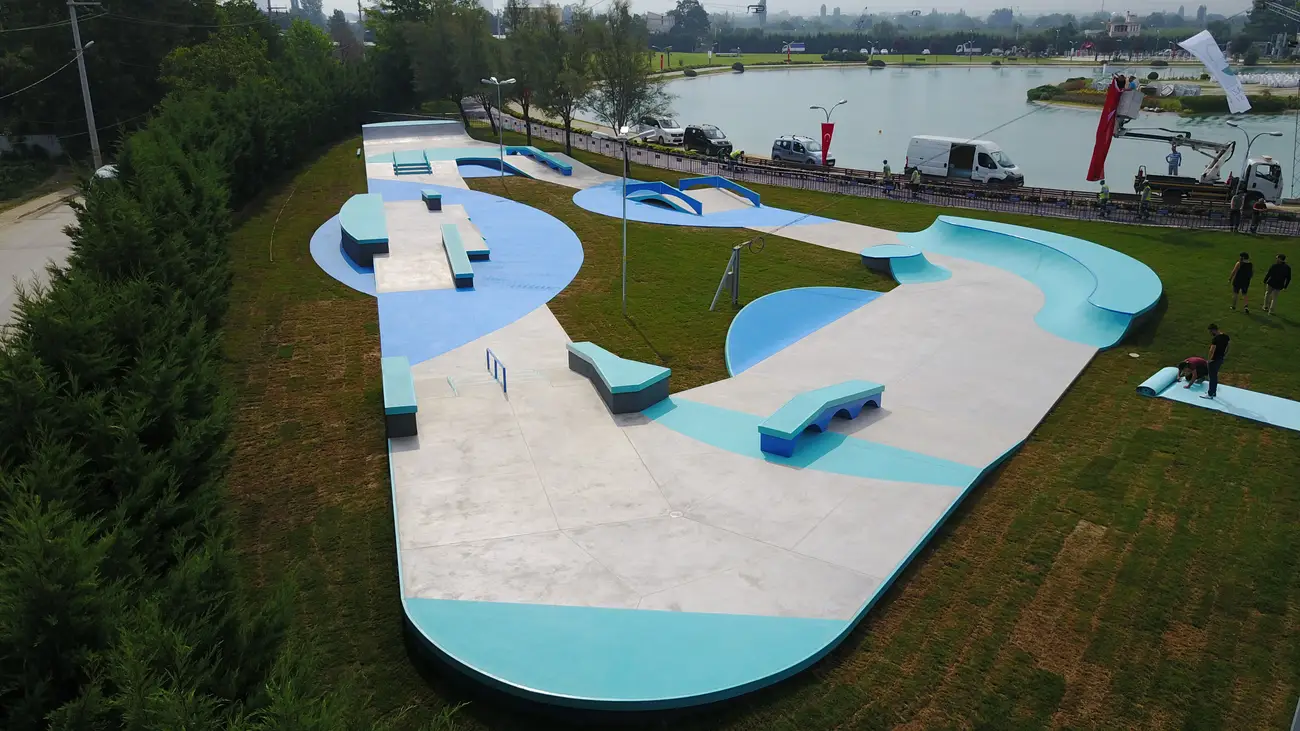
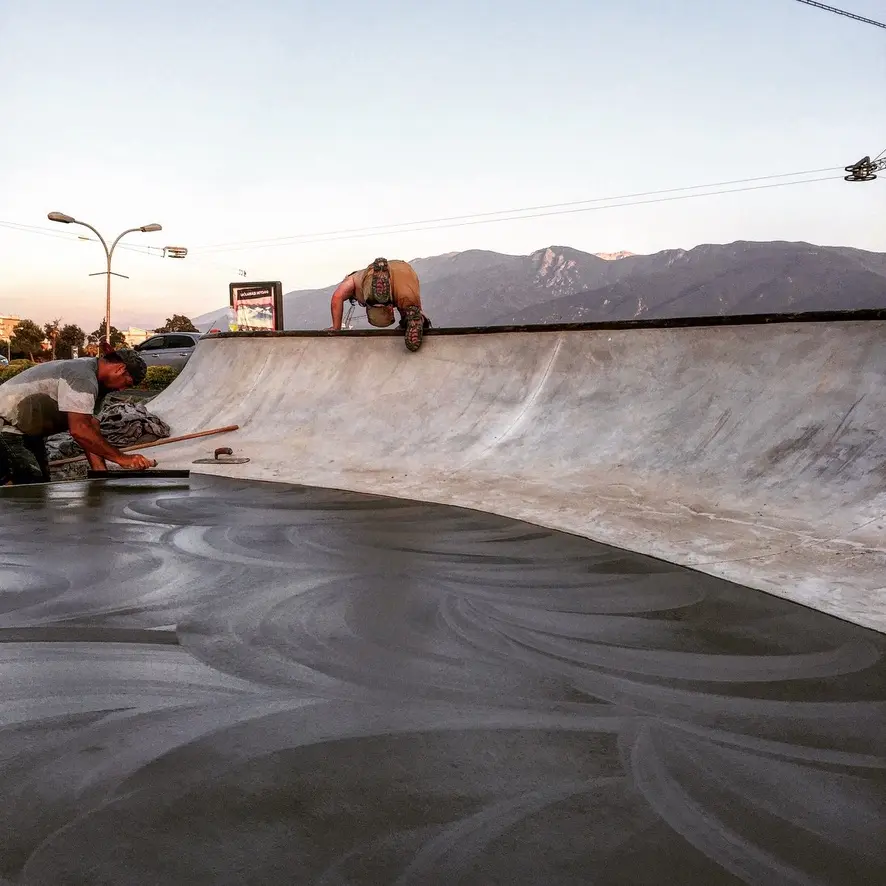
A permanent public concrete sports area for skateboards, scooters and BMX. Türkiye's best-known action sports facility — built to last.
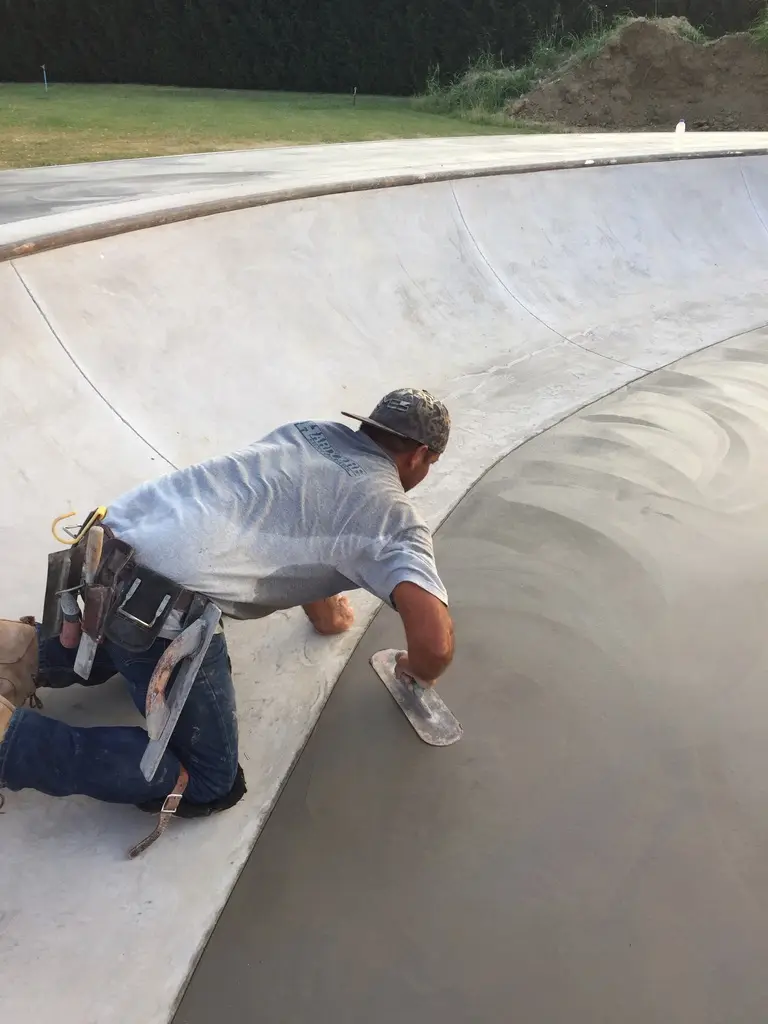
A concrete structure in which flat floors, ramps, benches and bowls are fluidly connected to each other.
The surface is everything: without the right slope, the right transition radius, the right smoothness, a skatepark is neither safe nor fun. That's why design should be done by people who skateboard — a slope that looks good on paper may feel completely different on wheels.
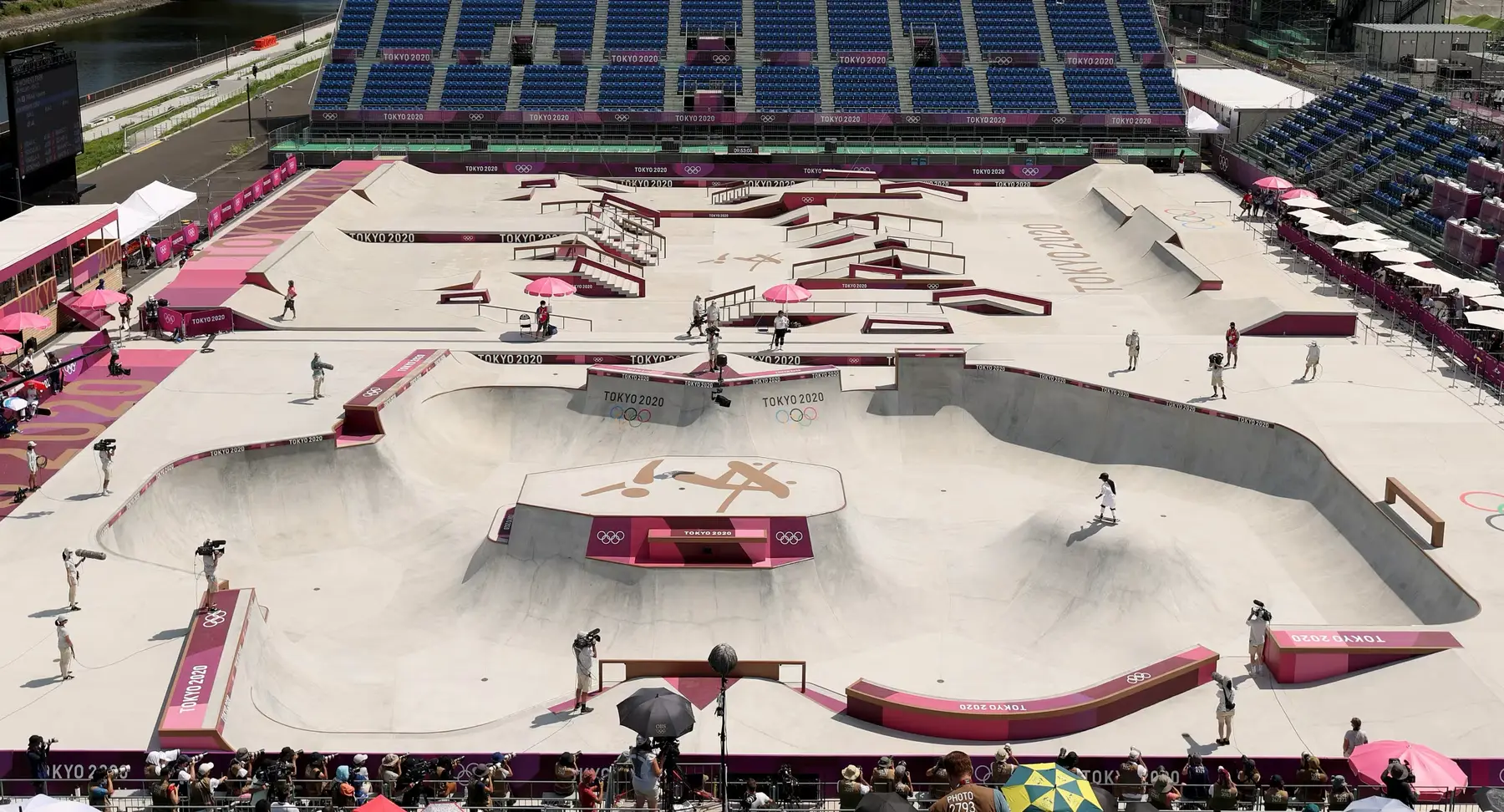
Skateboarding is now an Olympic sport - and one of the most concrete promises a city makes to young people.
Skateboarding has been on the Olympic program since Tokyo 2020. This means that a skatepark is no longer just a “youth area” but an infrastructure for training athletes — a properly designed facility could one day produce an Olympic athlete.
It's also a low-cost, low-barrier sport: equipment is cheap, there are no memberships, the field is always open. This is one of the most democratic forms of public space investment — and when positioned correctly, it can revitalize a neighborhood or a square.
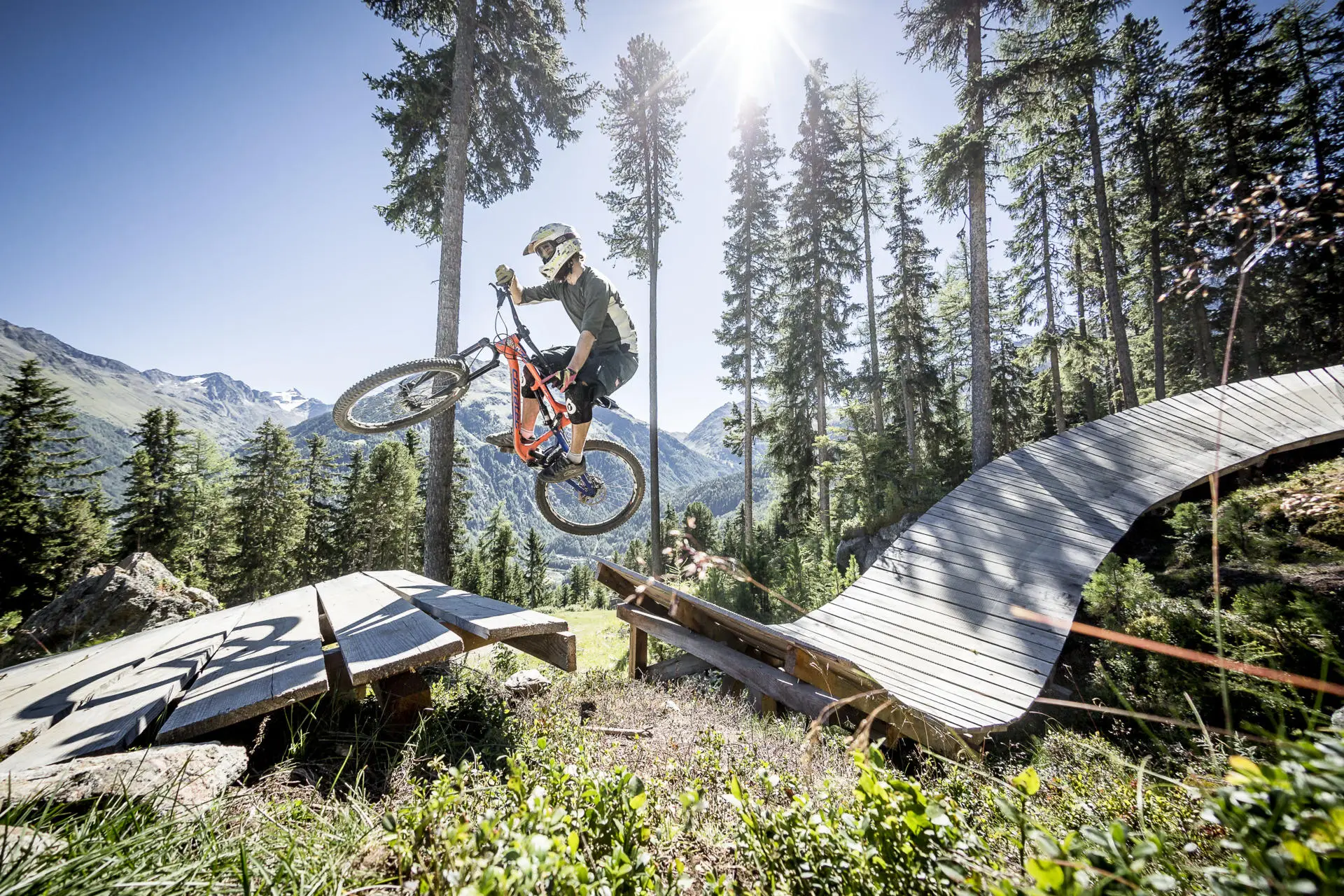
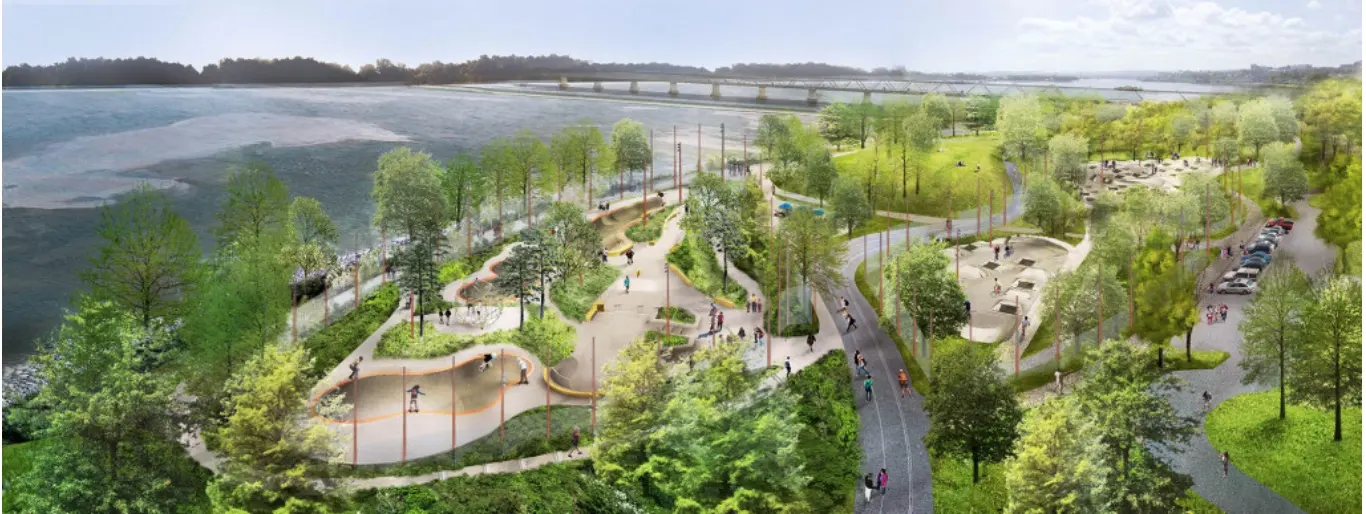
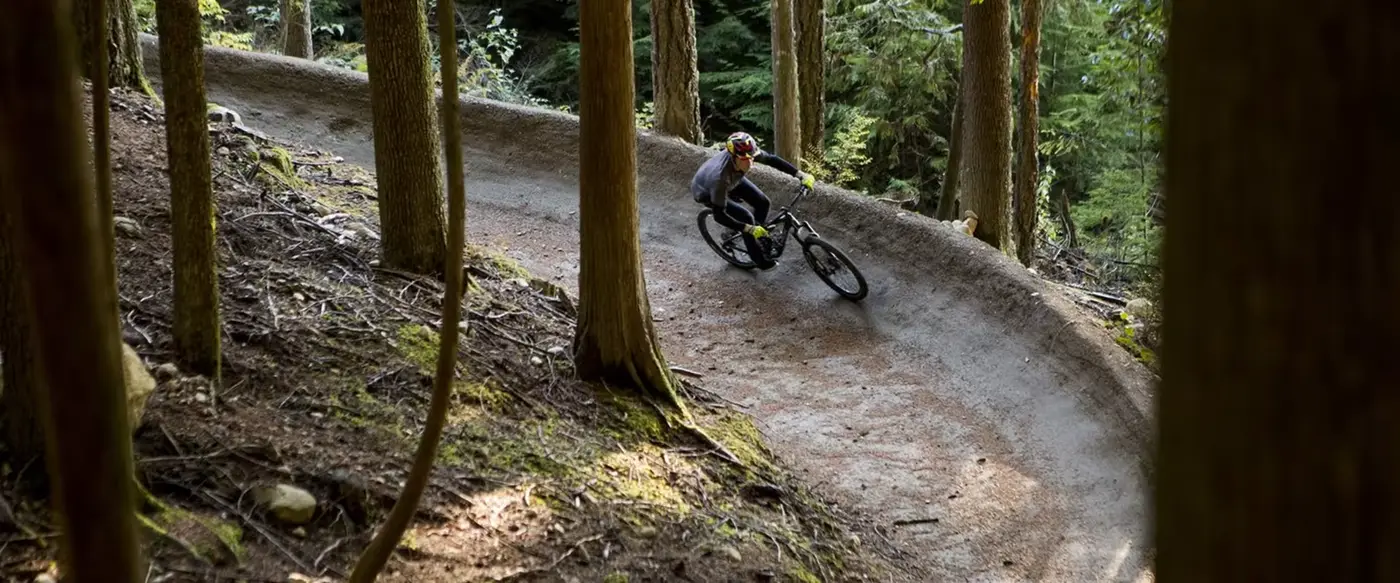
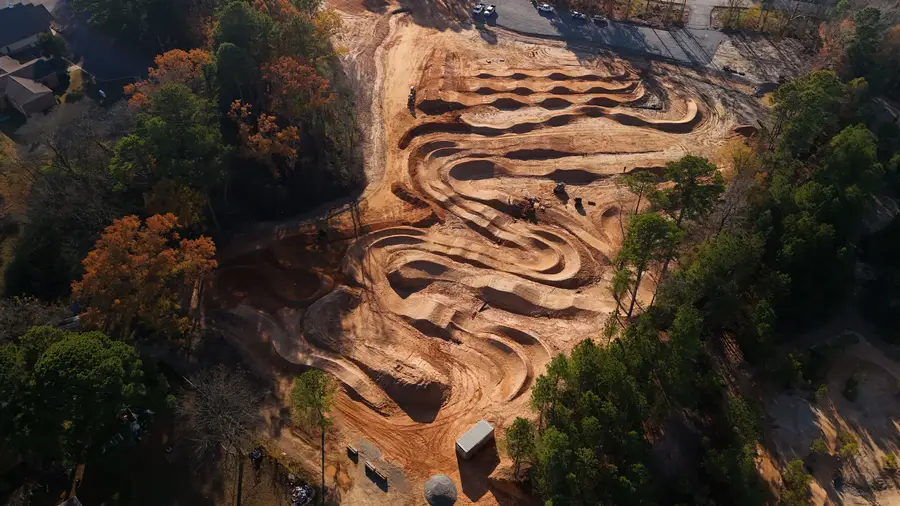
Dirt tracks, pump tracks and jump lines for mountain biking and BMX. An action sports infrastructure that uses nature's own topography, as permanent as concrete but much more organic.
A set of soil or concrete tracks built using the slope and texture of the land.
Pump tracks teach progress without pedaling, just with body movement — one of the best entry points for kids. Dirt tracks, on the other hand, are based on speed and flow for experienced drivers.
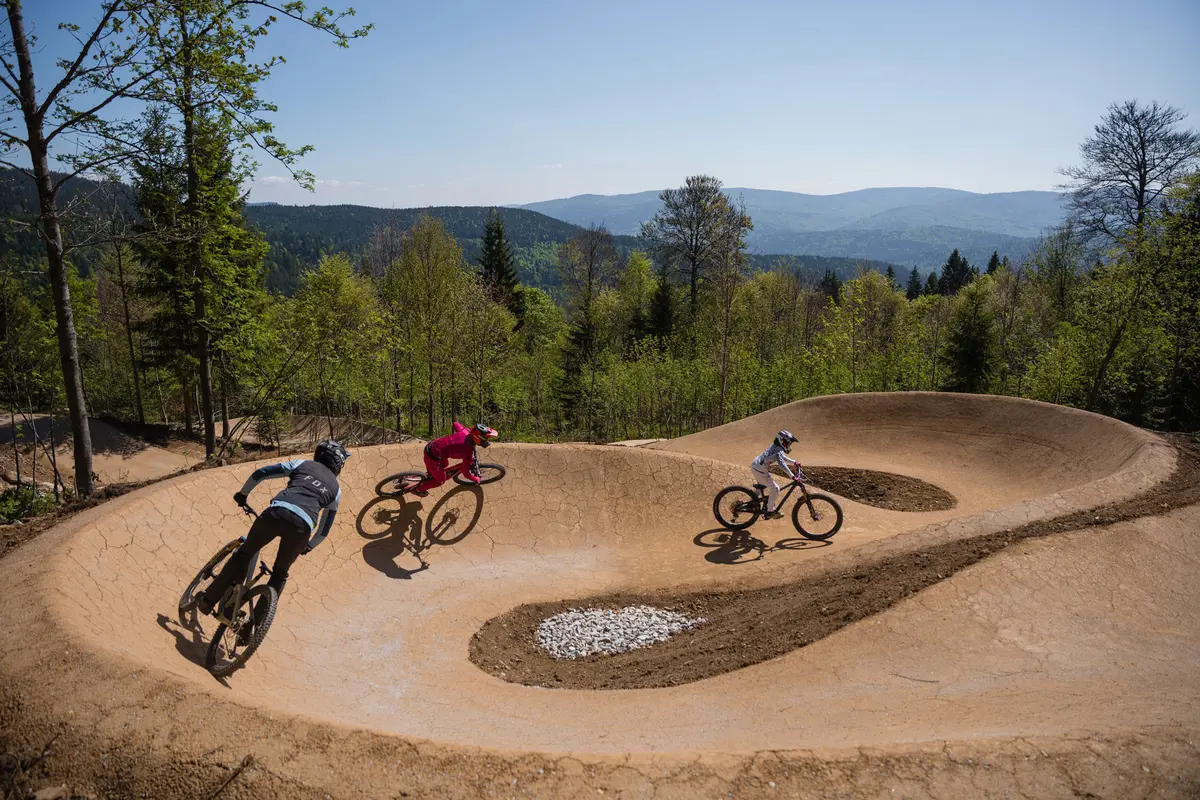
It is one of the rare facilities that combine nature tourism and sports tourism on the same land.
A bikepark is built on top of a forest or mountain without disturbing its existing beauty — which sets it apart from other action sports facilities. This is where hiking, camping and mountain biking come together in the same destination.
Pump tracks are particularly: inexpensive, fit into a small space, and can even be installed in a neighborhood park — encouraging active living without the need for a large mountain bike park.
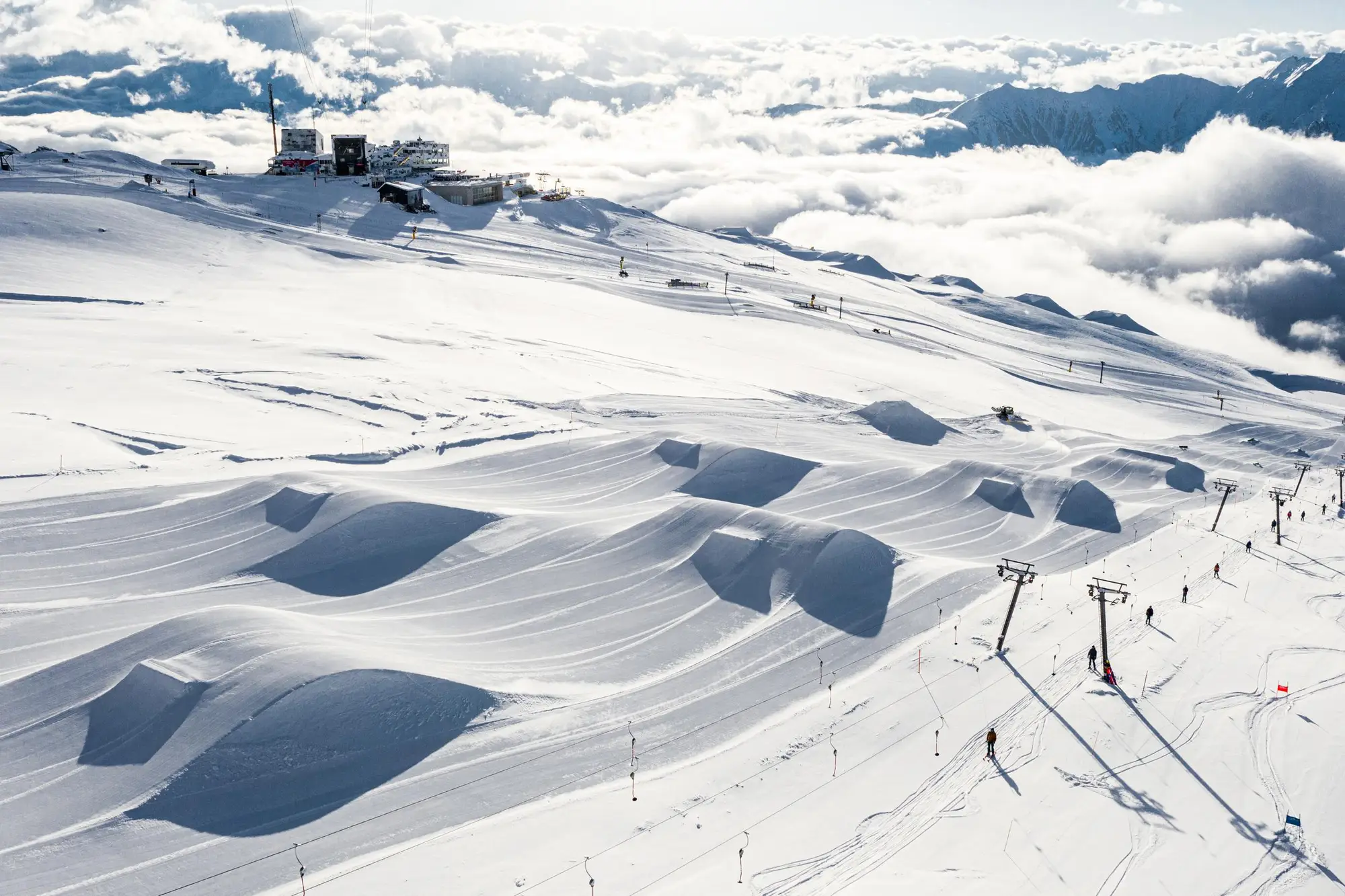
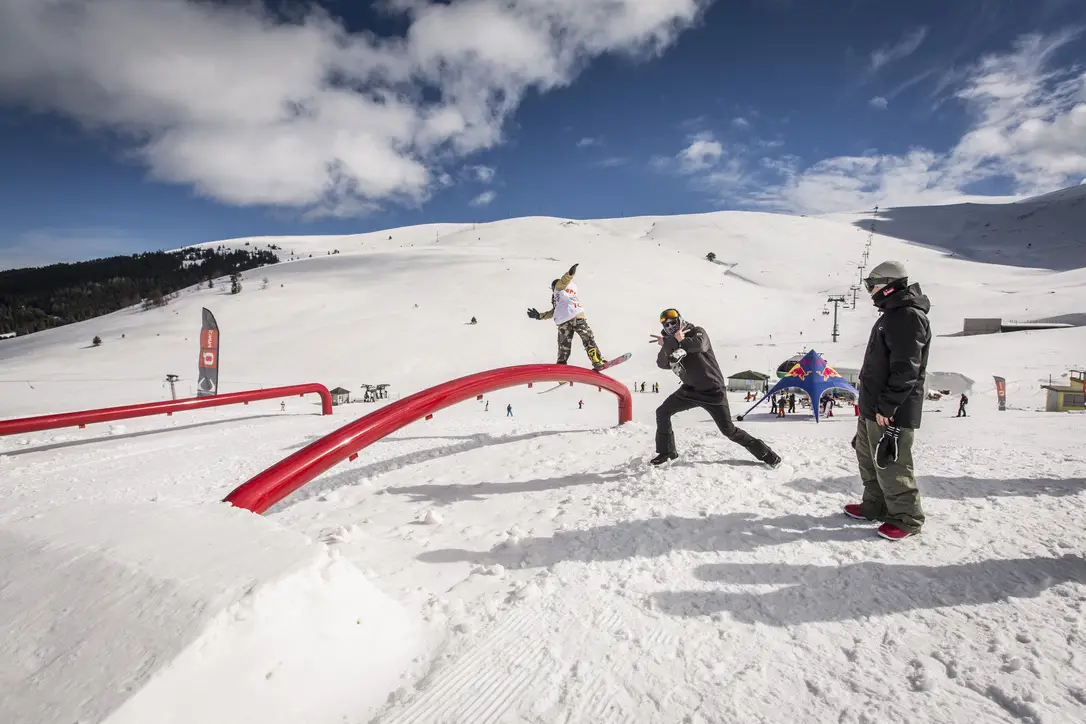
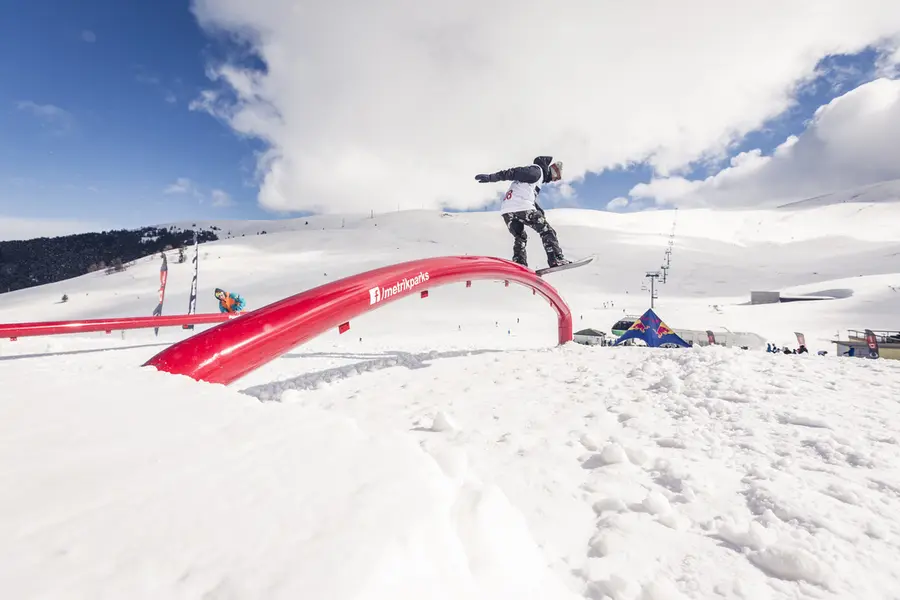
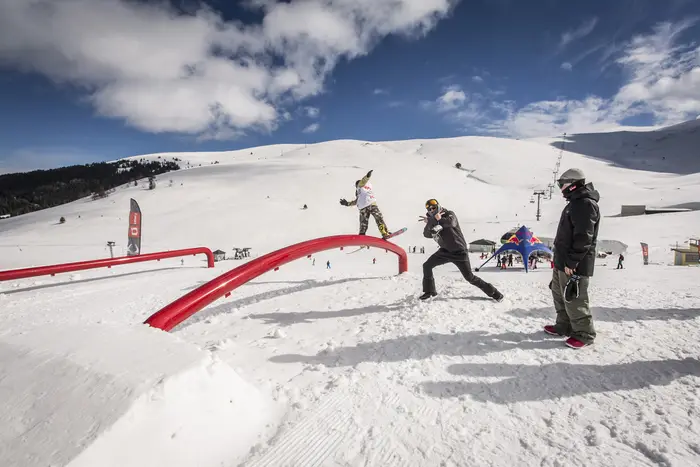
Special section consisting of jumps, rails and boxes for snowboarding and skiing in ski resorts. A place where young people come not for the track, but for the park.
An area designed for freestyle skiing and snowboarding, consisting of jump ramps, rails and boxes shaped on the snow.
It is divided into sections by difficulty level — starting from small jumps to advanced big lines. The correct sequence is decisive for both safety and the development of the driver.
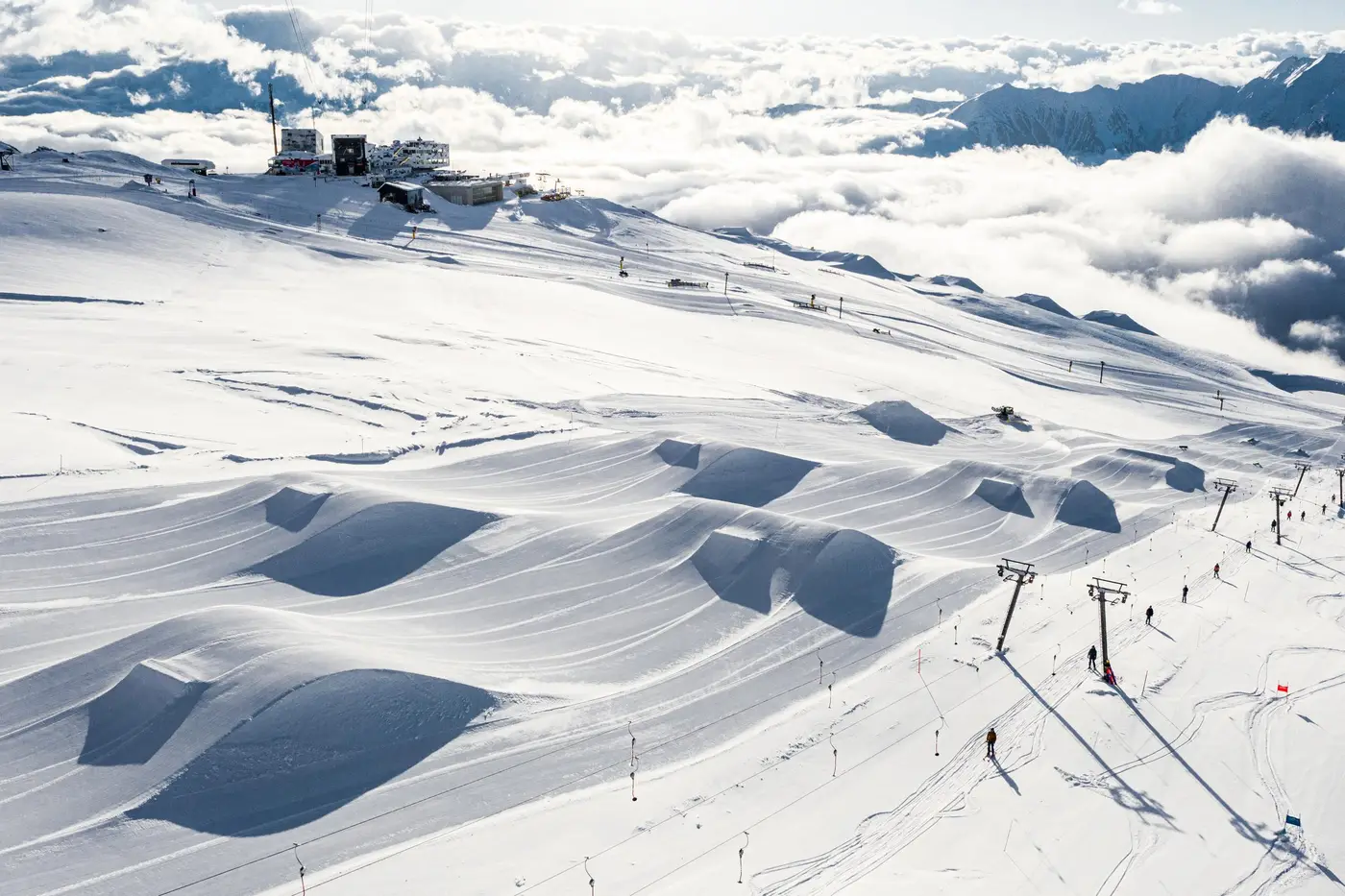
What makes a ski resort become a destination rather than "just a slope".
The young crowd no longer comes just to ride up and down — they come to learn tricks, make videos, share. A snowpark is the only real tool to attract and retain this audience.
Slopestyle and halfpipe have been full Olympic disciplines since Pyeongchang 2018. So a snowpark isn't just entertainment — it's part of a country's capacity to produce Olympic athletes.
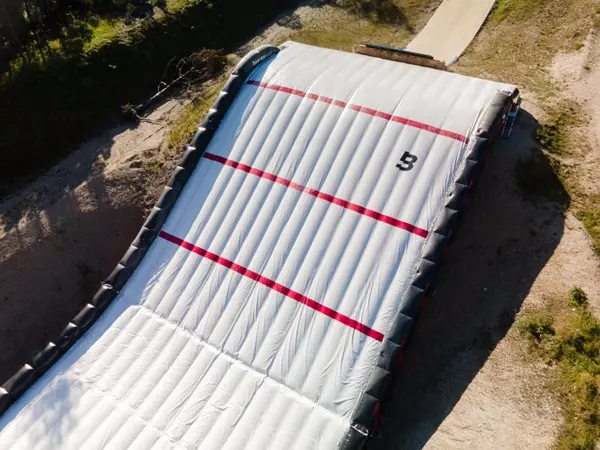
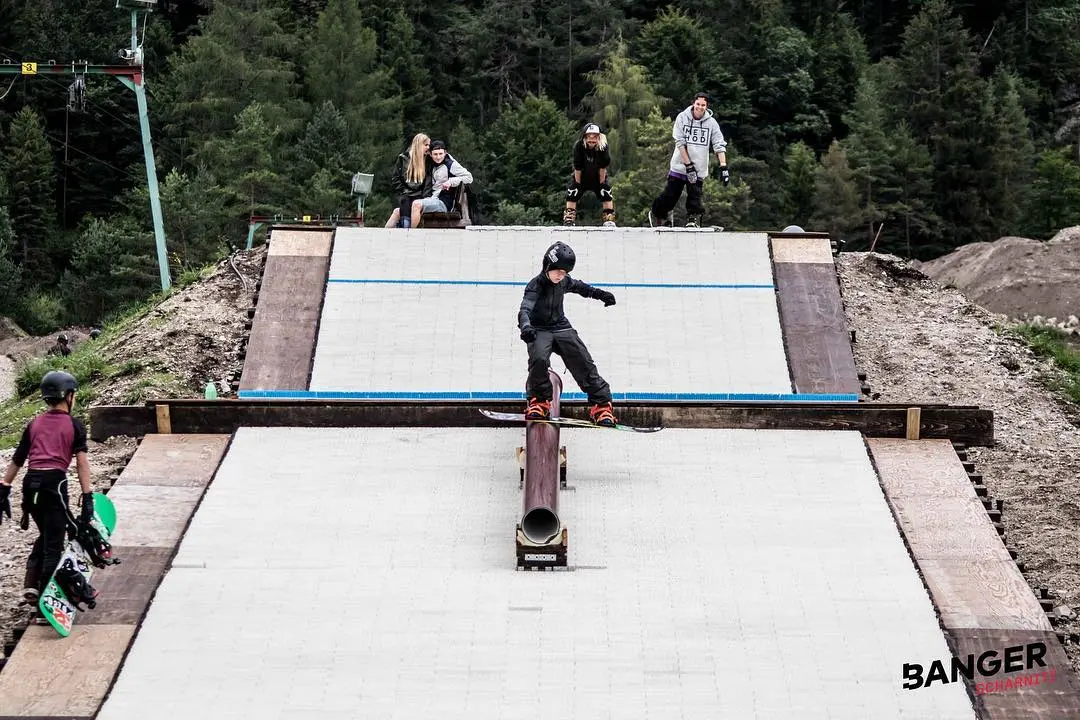
Facility for snowboarding and skiing training on an artificial surface during the summer months. The solution that keeps your ski destination alive 365 days a year — International Collaboration.
A freestyle facility with artificial surfaces where jumping can be practiced without snow.
Inflatable airbags and slippery synthetic surfaces greatly mimic the feel of real snow — athletes can safely try new tricks during the summer months.
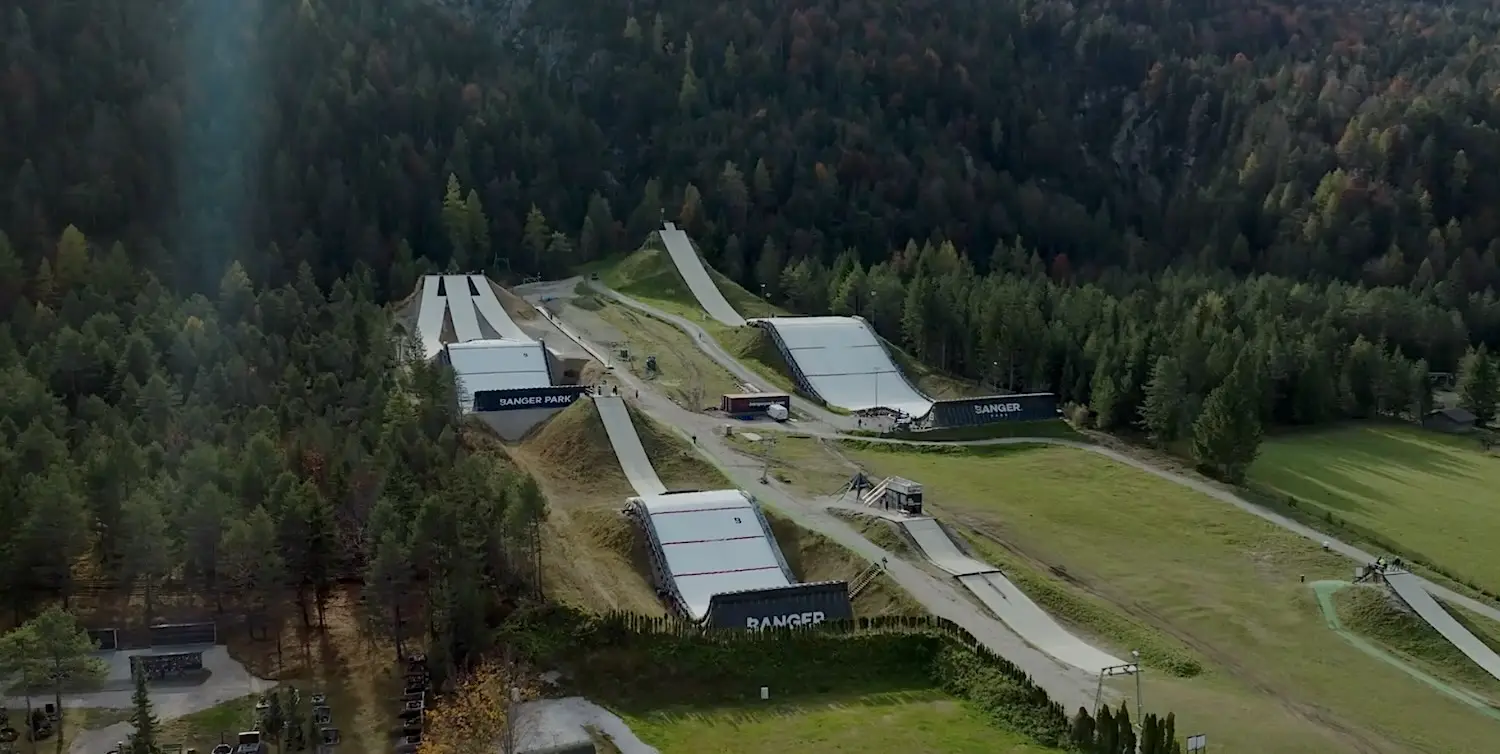
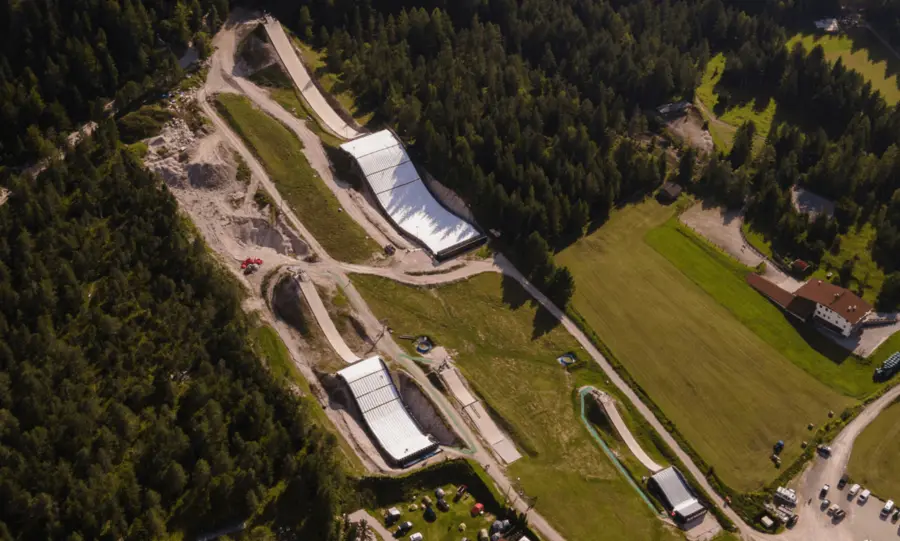
Bangerpark by its own definition possibly the largest summer freestyle resort in the world: snowboard and ski training on artificial surface, without snow. Six jumps and a jibbline — Olympic champions side by side with amateurs can work.
Source: bangerpark.com
The biggest problem of a ski destination is seasonality: when there is no snow, income stops. A Bangerpark-type facility keeps the same mountain running in the summer — staffing, hotel occupancy and athlete training continue uninterrupted.